Best Plants for Shoreline Erosion Control in Wisconsin
Best Plants for Shoreline Erosion Control in Wisconsin
If you own lakefront property in Wisconsin, you know how valuable it is—and how easily shoreline erosion can threaten that investment. One of the most natural and effective ways to stabilize shorelines is by planting deep-rooted native vegetation.
At TLC Lawns & Landscaping, we often combine structural solutions like riprap with plantings that hold soil in place, reduce runoff, and enhance the natural beauty of your waterfront. In this guide, we’ll explore the best plants for shoreline erosion control in Wisconsin, how they work, and tips for incorporating them into your landscaping.
Why Plants Are Critical for Shoreline Stability
While stone, walls, and other hardscapes provide a strong barrier, vegetation is equally important. Plants protect shorelines by:
- Anchoring soil with deep root systems
- Slowing runoff to reduce sediment loss
- Filtering pollutants before they enter lakes and rivers
- Providing natural habitat for fish, birds, and pollinators
- Blending erosion control with a beautiful, natural look
Native plants in particular are ideal because they’re adapted to Wisconsin’s climate, require less maintenance, and often have stronger root systems than non-native ornamentals.
The 10 Best Native Plants for Wisconsin Shorelines
1. Blue Flag Iris (Iris versicolor)
- Height: 2–3 feet
- Prefers: Moist soils, full sun to partial shade
- Benefits: Strong root system, beautiful purple blooms, attracts pollinators
2. Switchgrass (Panicum virgatum)
- Height: 3–6 feet
- Prefers: Moist to dry soils, full sun
- Benefits: Deep fibrous roots for erosion control, excellent winter interest
3. Bluejoint Grass (Calamagrostis canadensis)
- Height: 3–5 feet
- Prefers: Moist soils, sun to partial shade
- Benefits: Thrives in wetlands, stabilizes banks, reduces sediment runoff
4. Joe-Pye Weed (Eutrochium maculatum)
- Height: 4–7 feet
- Prefers: Moist soils, full sun
- Benefits: Tall, showy plant that attracts butterflies; roots reinforce shoreline
5. Black-Eyed Susan (Rudbeckia hirta)
- Height: 1–3 feet
- Prefers: Well-drained soils, full sun
- Benefits: Quick-growing, erosion control in upland transition areas
6. Wild Bergamot (Monarda fistulosa)
- Height: 2–4 feet
- Prefers: Dry to moist soils, sun to light shade
- Benefits: Fragrant flowers, excellent pollinator support, root stabilization
7. Prairie Cordgrass (Spartina pectinata)
- Height: 3–8 feet
- Prefers: Wet soils, full sun
- Benefits: Extremely strong roots, thrives in saturated conditions
8. Little Bluestem (Schizachyrium scoparium)
- Height: 2–4 feet
- Prefers: Well-drained soils, full sun
- Benefits: Hardy grass with seasonal color; anchors upland slopes above shorelines
9. Marsh Milkweed (Asclepias incarnata)
- Height: 3–5 feet
- Prefers: Wet soils, full sun
- Benefits: Attracts monarch butterflies; ideal for wet shoreline margins
10. Willows (Salix spp.)
- Height: Varies (shrubs to small trees)
- Prefers: Moist soils, full sun
- Benefits: Dense roots, fast growth, effective against water-driven erosion
Designing a Shoreline Planting Plan
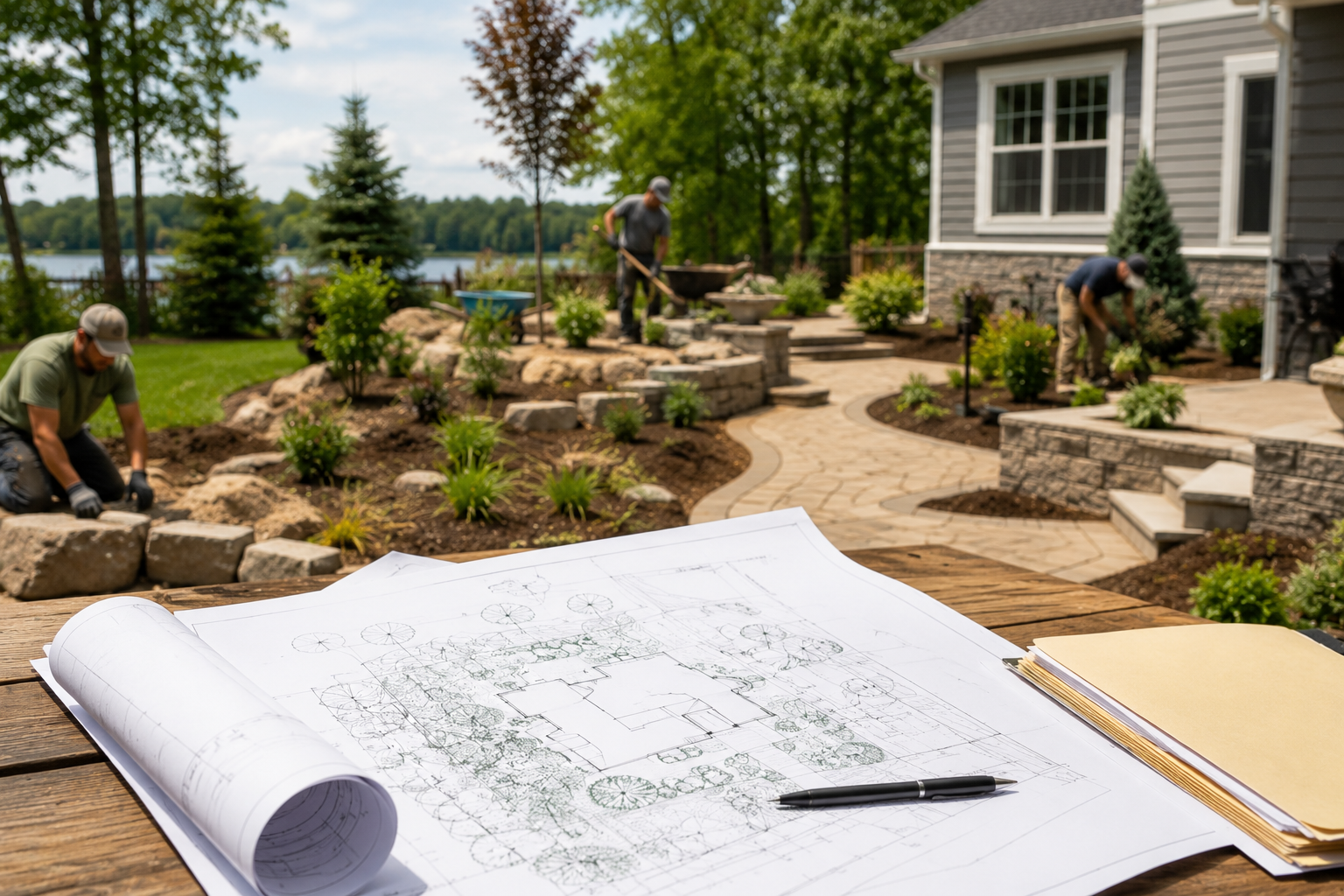
At TLC, we don’t just pick a few plants and call it a day. We design layered plant buffers for maximum performance and beauty:
- Aquatic Zone (water’s edge): Cattails, sedges, rushes
- Wet Zone (just above water): Blue flag iris, prairie cordgrass, marsh milkweed
- Transition Zone (upland area): Little bluestem, black-eyed Susan, wild bergamot
This multi-zone approach stabilizes the entire shoreline, from waterline to lawn.
Benefits Beyond Erosion Control
Planting native vegetation isn’t only about stopping erosion—it creates a better environment for people and nature alike:
- Cleaner water by filtering fertilizers and pollutants
- Wildlife habitat for birds, fish, frogs, and pollinators
- Lower maintenance (no mowing, fertilizing, or watering required after establishment)
- Natural privacy screens and enhanced lake views
In many cases, native plant buffers also help with Wisconsin DNR shoreline compliance, which may be required for new landscaping projects near water.
TLC’s Approach to Shoreline Planting
When we restore shorelines in Waupaca, we often combine structural protection (riprap or retaining walls) with native plant buffers. Our process includes:
- Site evaluation of soil, slope, and waterline
- Customized planting plans tailored to your shoreline
- Installation with erosion control blankets if needed
- Ongoing care instructions to ensure successful growth
Frequently Asked Questions
How long does it take for native plants to establish?
Most shoreline plants take 1–2 growing seasons to fully establish. During this time, erosion mats may be used for extra protection.
Can I plant directly into riprap?
Yes—plants like willow stakes or blue flag iris can be planted in gaps between rocks to soften the look and strengthen stability.
Do I need a permit to plant shoreline vegetation?
Usually no—planting native species is encouraged. Permits are typically required only for major structural changes to the shoreline.
What’s the best time of year to plant?
Spring and early summer are ideal, but fall planting can also be successful if soil remains warm enough for root development.
Will my shoreline look messy with native plants?
Not if designed properly. We create intentional, attractive buffers that balance function with aesthetics.
Protect Your Shoreline with TLC Lawns & Landscaping
If you’re worried about shoreline erosion or want to improve the beauty and health of your waterfront, TLC Lawns & Landscaping is here to help. We’ve been stabilizing Waupaca shorelines for over 25 years with a blend of natural and structural solutions.