The Hidden Costs of Ignoring Shoreline Damage in Waupaca
The Hidden Costs of Ignoring Shoreline Damage in Waupaca
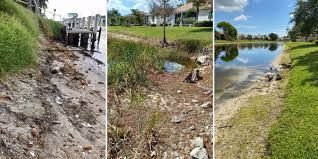
If you own property on Waupaca’s Chain O’ Lakes, the Crystal River, or one of the area’s many lakes and streams, your shoreline is one of your most valuable assets. But what happens if you ignore shoreline damage?
While it may be tempting to put off repairs, failing to address erosion and instability can lead to serious financial, environmental, and safety consequences. In this guide, TLC Lawns & Landscaping breaks down the hidden costs of shoreline damage—and why timely restoration is a smarter investment.
What Is Shoreline Damage?
Shoreline damage occurs when natural forces such as waves, ice heave, runoff, and boat traffic wear away the soil and vegetation at the water’s edge. Over time, this leads to:
- Sloped or collapsed banks
- Exposed tree roots and fallen trees
- Muddy water runoff
- Property loss and reduced yard space
- Unsafe conditions near the waterline
While erosion happens gradually, its impacts compound quickly if left untreated.
The True Costs of Ignoring Shoreline Erosion
1. Loss of Property Value
Erosion eats away at usable land, reducing your overall property size. Waterfront footage is one of the most valuable aspects of Waupaca real estate—losing shoreline means losing resale value.
Potential buyers also see shoreline damage as a red flag, lowering your home’s market appeal.
2. Damage to Structures and Landscaping
Shoreline erosion doesn’t just affect soil—it threatens everything near the water, including:
- Docks and piers
- Patios and retaining walls
- Lakeside fire pits or seating areas
- Walkways and hillside steps
Once the ground beneath these structures shifts, repairs become costly.
3. Increased Safety Risks
An eroded shoreline can be dangerous. Slopes may collapse underfoot, trees may topple, and muddy, uneven edges increase slip hazards—especially for children or elderly family members.
4. Environmental Impact
Ignoring shoreline damage contributes to:
- Sediment pollution in lakes and rivers
- Loss of fish and wildlife habitat
- Degraded water quality
- Algae blooms fueled by fertilizer runoff
This doesn’t just affect your property—it impacts the entire lake community.
5. Rising Repair Costs
Perhaps the most overlooked factor: the longer you wait, the more expensive the fix becomes.
- Minor erosion might be fixed with vegetation and grading.
- Moderate erosion may require riprap or bioengineering.
- Severe erosion could demand major retaining walls and structural repairs.
Delaying often means turning a $3,000–$5,000 project into a $15,000+ overhaul.
Signs Your Shoreline Needs Attention
You may not notice problems immediately, but here are warning signs you shouldn’t ignore:
- Leaning or fallen trees near the water
- Soil loss at the water’s edge
- Cracks or sinking in patios, steps, or walkways
- Cloudy or muddy water after rain
- Exposed roots or bare patches along the shoreline
If you see these symptoms, it’s time for a professional evaluation.
How TLC Lawns & Landscaping Restores Shorelines
At TLC, we’ve been restoring Waupaca-area shorelines since 1999. Our process includes:
- Inspection and Assessment – We identify the causes of erosion and evaluate your shoreline’s condition.
- Custom Design Plan – We recommend solutions such as riprap installation, native plant buffers, or hillside stabilization.
- Permitting Assistance – We work with the Wisconsin DNR to ensure your project is fully compliant.
- Professional Installation – Using stone, vegetation, or retaining structures, we stabilize your shoreline for decades.
- Final Cleanup & Care Guidance – We leave your property safe, functional, and beautiful.
Local Example: The Cost of Waiting
A client on Shadow Lake noticed shoreline erosion but waited several years to call us. By then, the slope had receded almost four feet, threatening their lakeside patio. What could have been a $6,000 plant-and-riprap project turned into a $20,000 retaining wall build.
By contrast, another client on Long Lake called us as soon as erosion appeared. For under $5,000, we stabilized their shoreline with stone and native grasses—protecting their property long-term.
The difference came down to timing.
Frequently Asked Questions
How do I know if my shoreline damage is serious?
If you see tree roots, soil loss, or unstable slopes, it’s time to act. A professional inspection will tell you how urgent the issue is.
Do I need a permit for shoreline work in Wisconsin?
Yes—most projects near navigable water require permits. TLC helps clients handle all paperwork and approvals.
Can I just add more soil to fix erosion?
No. Without stabilization, added soil will wash away. A professional plan is needed to ensure long-term success.
How long does shoreline restoration take?
Most projects take 2–4 weeks, depending on size and permitting. Larger or complex projects may take longer.
Is riprap my only option?
Not at all. Many projects combine native vegetation, erosion mats, and natural stone for a balanced solution.
Don’t Let Shoreline Damage Cost You More
Shoreline erosion is one of those problems that only gets worse—and more expensive—the longer you wait. Whether you’re noticing early signs or facing severe damage, TLC Lawns & Landscaping has the expertise to protect and restore your property.
Call TLC at (715) 258-0300 or
Email tom.leonard@email.com to schedule your
free shoreline evaluation today.